“History does not repeat itself, but it rhymes.” — commonly attributed to Mark Twain1
Lots of people have compared the United States of America to the Roman Empire, and with good reason. Both are republics that were founded after liberating themselves from monarchy. Both expanded slowly at first and then rapidly, subjugating and assimilating tens of millions. Both eventually came to control vast territories and politically dominate the areas around them. Citizenship also expanded over time, as did the rights of plebeians vs wealthy landholders. The Founding Fathers themselves used Rome as a rich source of examples from which to model their form of government. There are numerous differences of course, especially regarding matters like technology or slavery, but broadly the U.S.A. occupies a similar place in history to and hence “rhymes” with Rome.
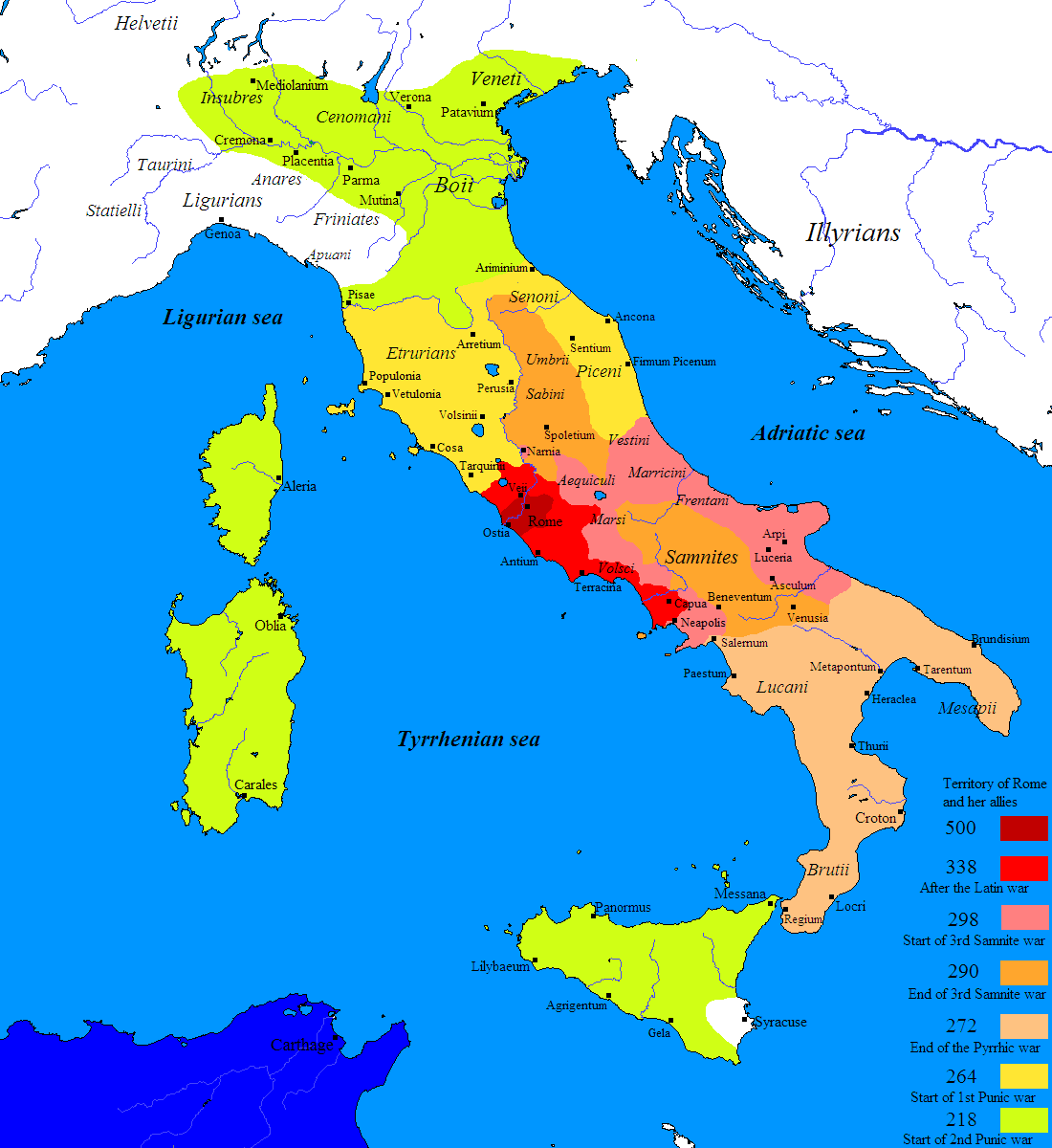
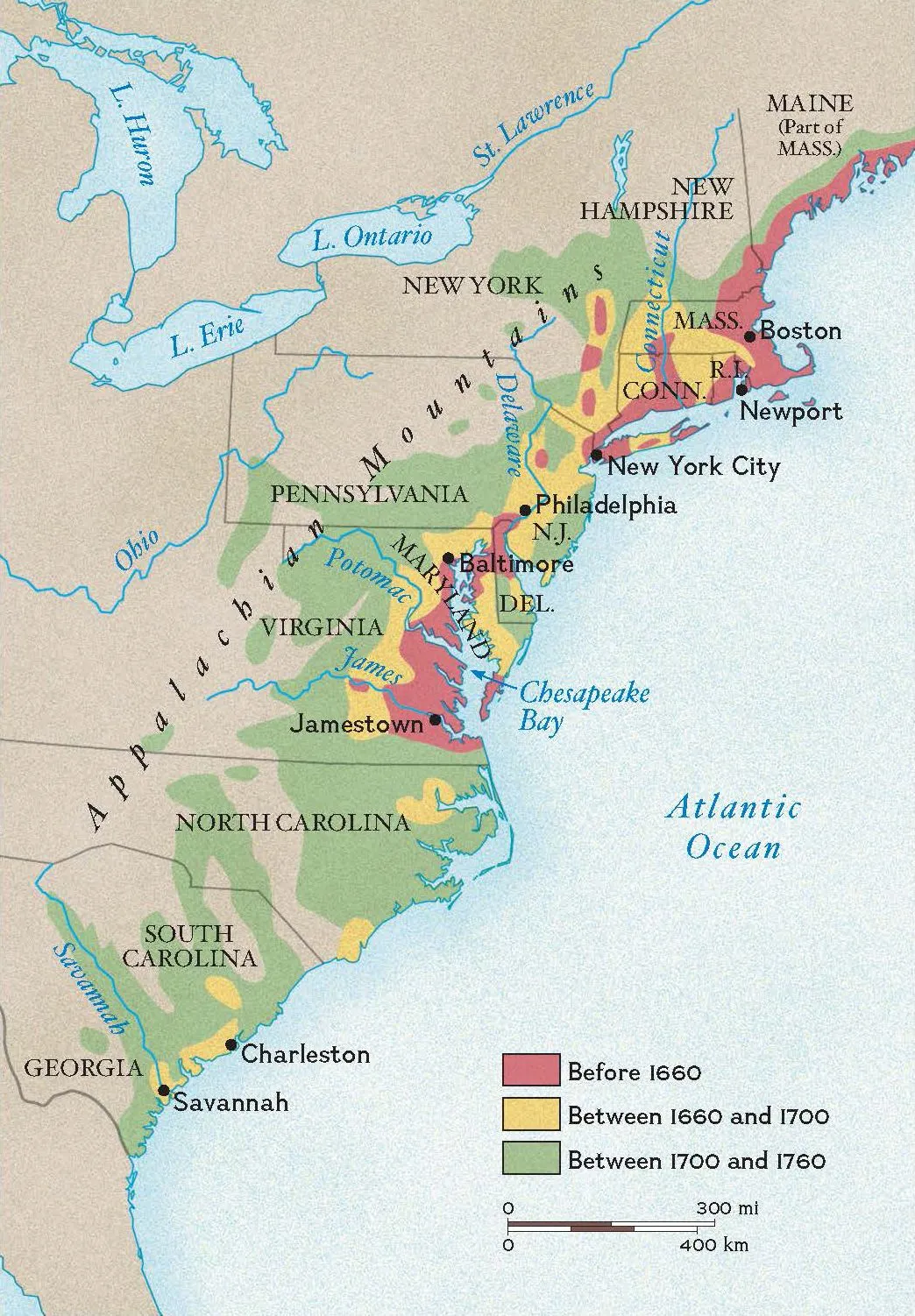
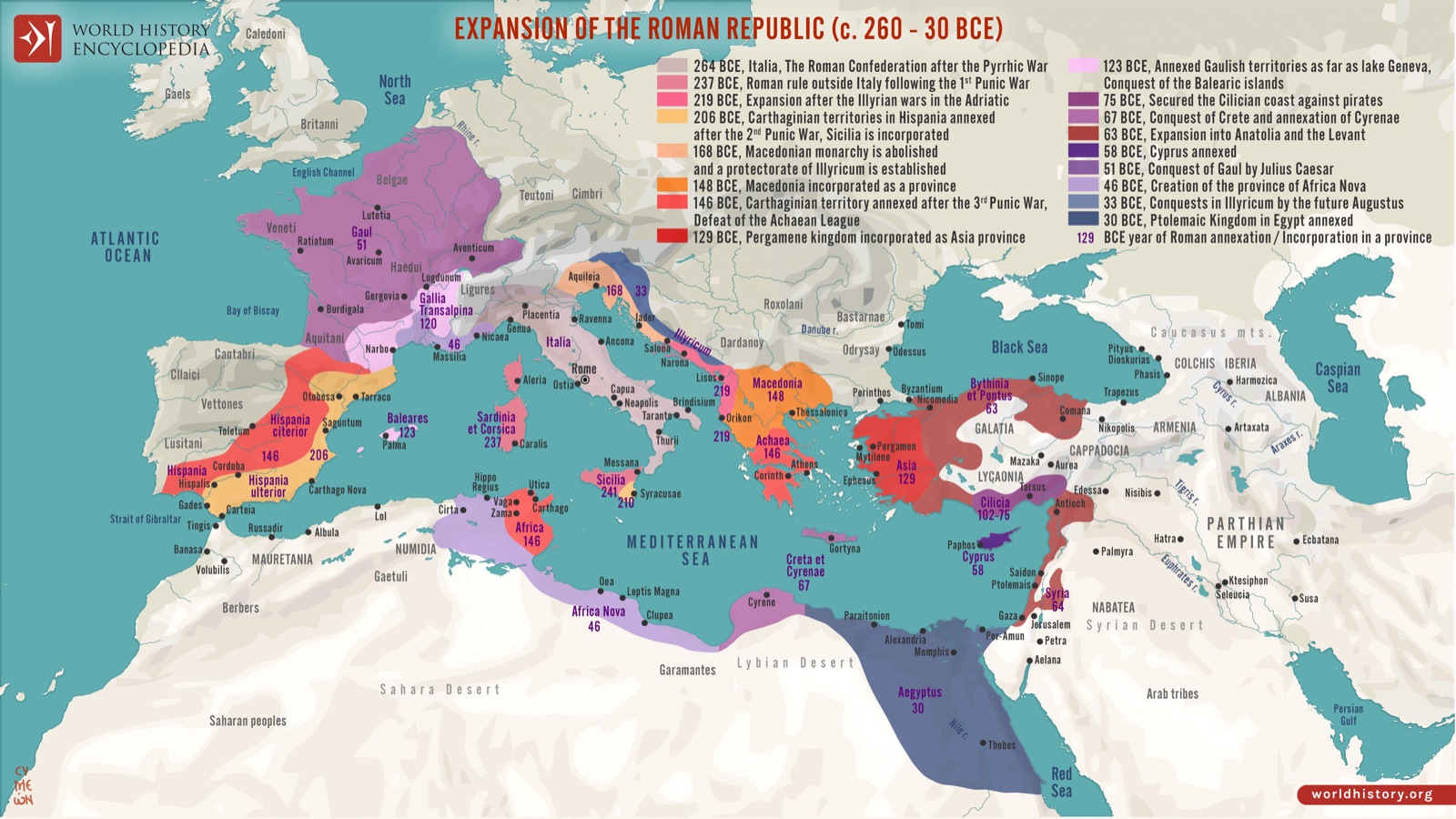
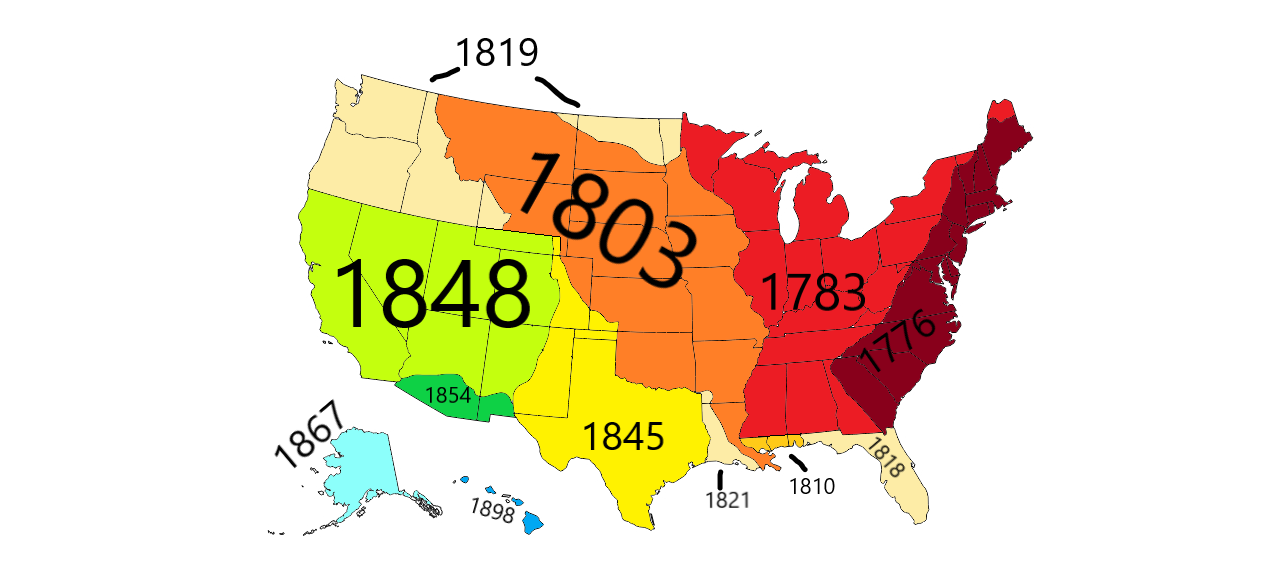
I will extend this analogy a few steps further: in the same way that Rome is similar to the U.S.A., the European nations are similar to Ancient Greece, and the relationship between Rome and Greece is similar to that between the U.S.A. and Europe. To the first point, Greeks were internally divided into many city-states, just as Europe was divided into many competing kingdoms and states. A wide variety of governments existed, and coalitions would form and fight each other leading to periods where some powers were ascendant while others weren’t for a while until things changed. Greeks also colonized lots of the Mediterranean, though just like how Greece is smaller than Europe, Greek colonization was on a smaller scale than European colonization. Both Alexander and the European powers would conquer much of the known world, although the former was initially much more unified than the latter ever was in this period. Perhaps the Arabs and/or Turks could be seen as playing a similar role to that of the ancient Persians vis-à-vis the Europeans and Greeks, respectively.
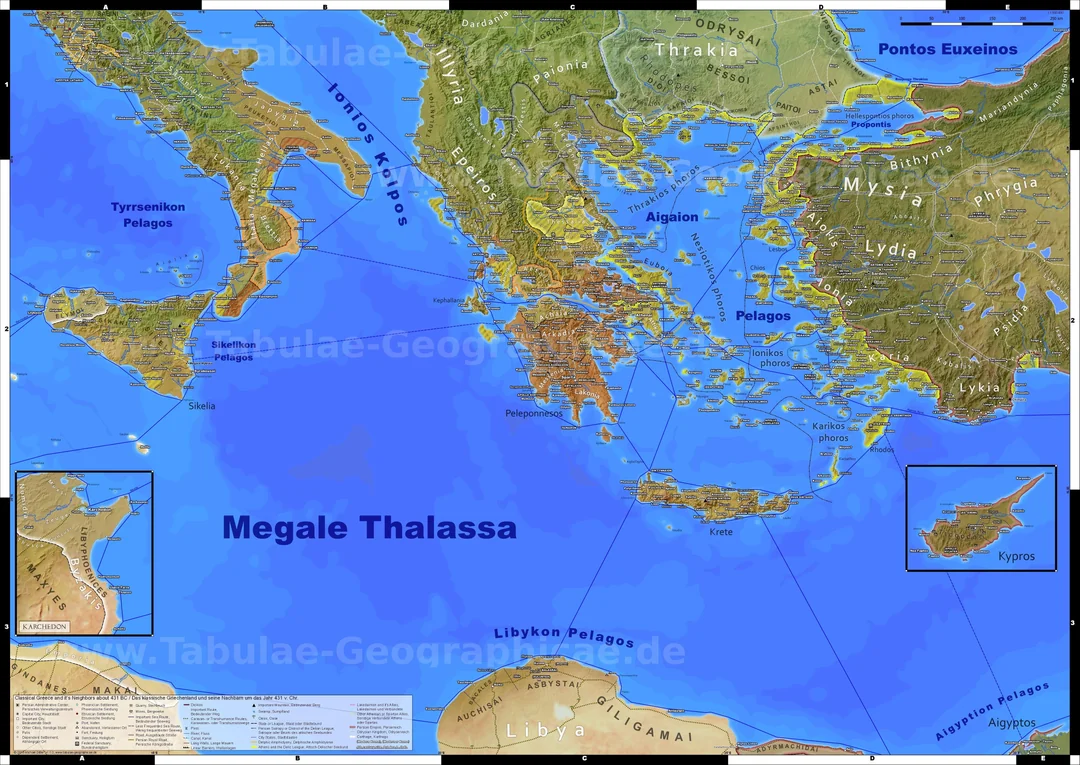
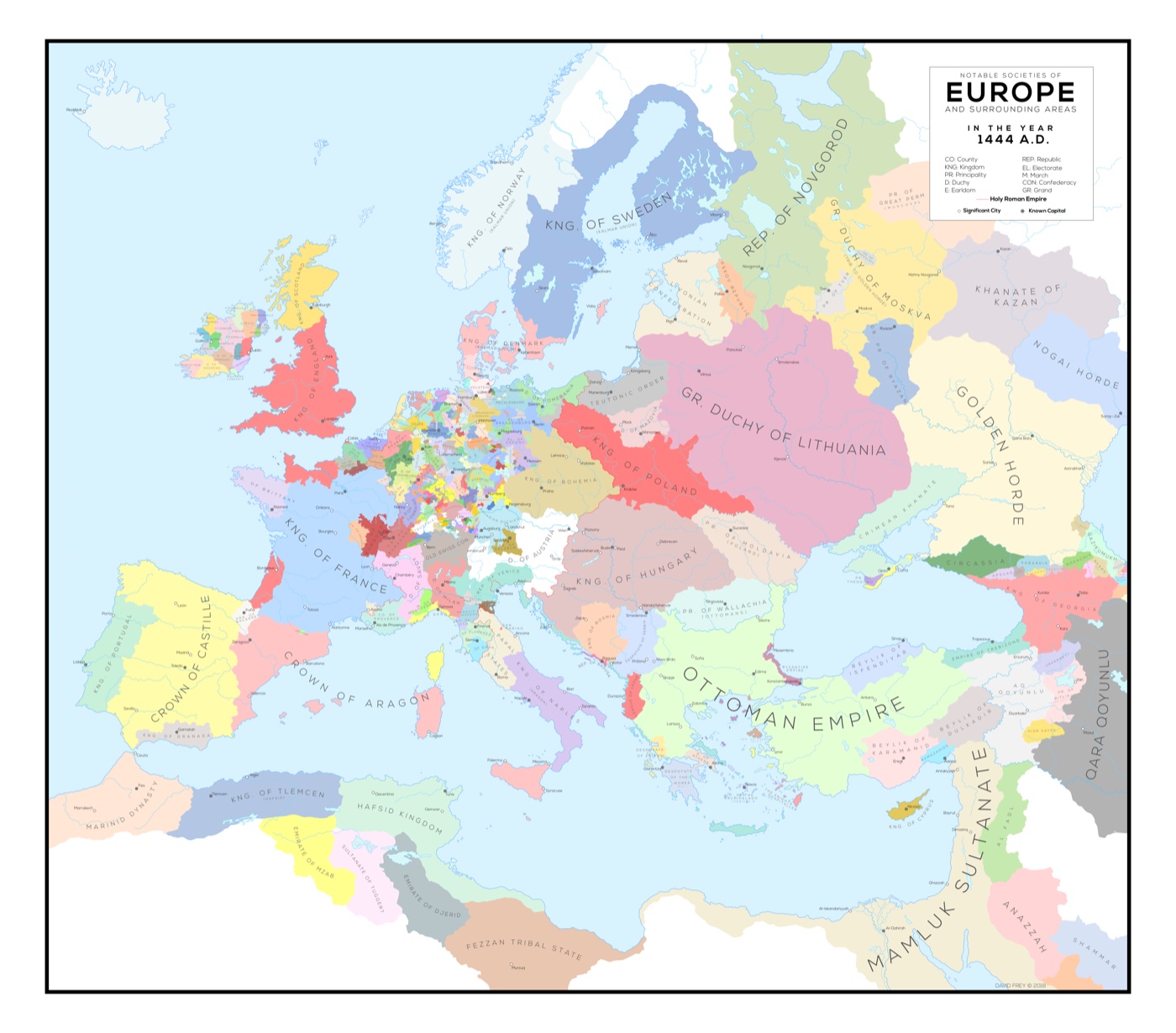
Moving on to how the relationship between Rome and Greece is similar to that between the U.S. and Europe, the U.S./Romans have substantial ties with Europe/Greece while seeing themselves as distinct in important ways. While the Romans saw themselves as descendants of Trojans who fled war with the Greeks, the U.S. was populated by emigrants from various English conflicts, particularly the English Civil War, and other European conflicts. Also, just like the Roman pantheon was very similar to but distinct from the Greek pantheon (as you may recall from the Percy Jackson series), American religion is similar to European religion but distinct in important ways, particularly some powerful denominations like Baptists and Puritans that played very different roles from their counterparts in Europe. While Greek/European powers were initially much stronger, they would eventually be eclipsed by Rome/the U.S. and after a series of major wars would become much closer diplomatically, culturally, and politically. Eventually, Europe has become a much more unified political bloc much in the mold of the Eastern Roman Empire (without direct territorial control by the U.S. of course, although we do have a lot of military bases there).
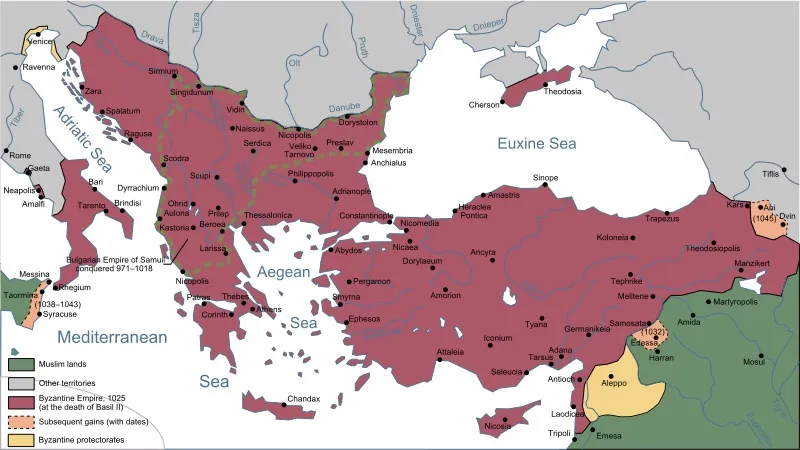
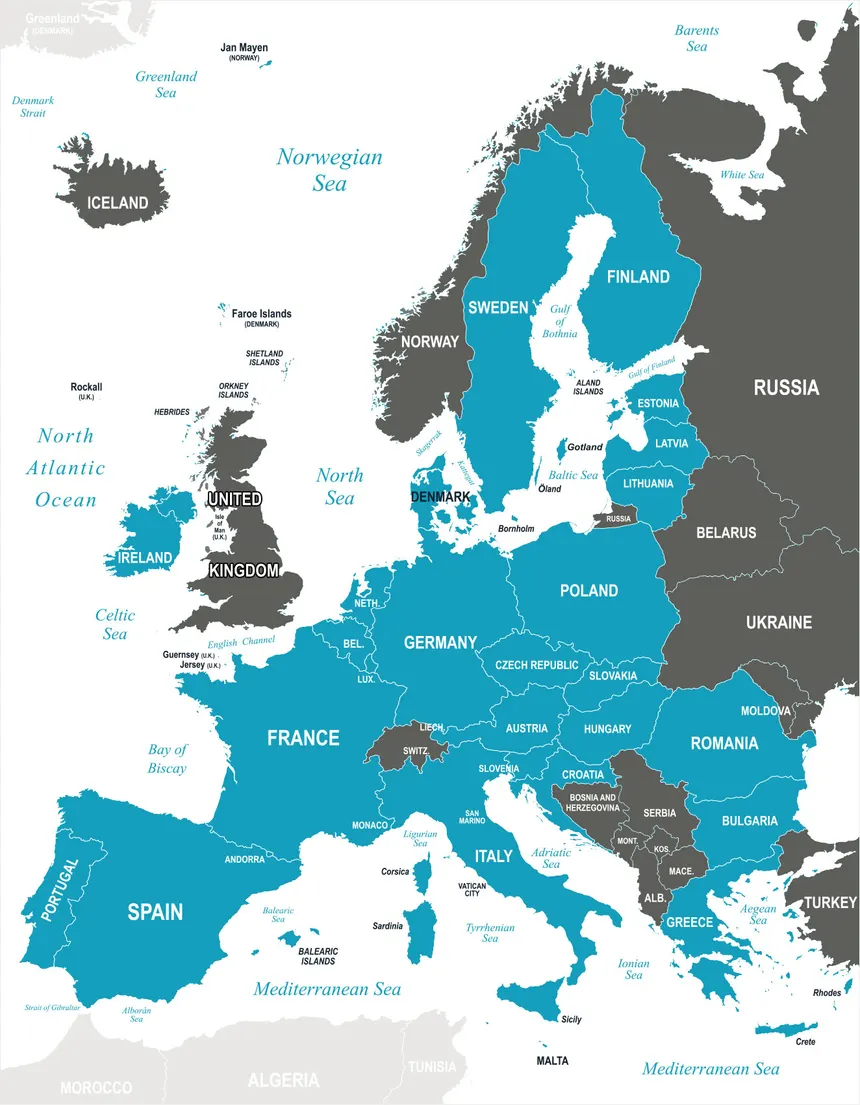
So what can we do with this analogy? For one thing, it is fun to think about. I think there are some deep similarities produced by underlying historical dynamics, but even if you disagree, the exercise of comparing and contrasting the two cases is fun. I wonder if you can draw similar analogies elsewhere, or how the analogies may actually be inverted. For example, the Islamic world began united under one ruler before gradually fragmenting instead of beginning fragmented and gradually uniting in the case of Greece+Rome and Europe+U.S. But we can also see echoes of the future: a U.S. that slides from a Republic to an Empire, a continuing period of relative peace through American economic and military might, a Europe that becomes more politically consolidated and even outlasts the U.S. in direct continuity of sovereignty. To me this explains why so many men in America keep thinking about their ancient predecessors in Rome.
Footnotes
-
there is no evidence Twain said it; the earliest known version appears in a 1965 essay by Theodor Reik. Twain did write, in The Gilded Age, that “history never repeats itself, but the Kaleidoscopic combinations of the pictured present often seem to be constructed out of the broken fragments of antique legends.” ↩